
Choose dining chairs around the table you will use, then refine the finish and style. The important measurements include the space under the tabletop, the chair width and the room needed to pull out. Matching colour alone does not establish a usable dining arrangement.
Measure the table beneath the surface
Record the tabletop height, underside clearance, distance between legs and any apron or braces. For a pedestal table, check where the base meets the floor and how it affects chair placement. At an oval table, compare the ends with the straighter sides rather than assuming every position is equivalent.
Decide whether the quoted chair count means the layout you want in daily use. A tabletop photograph may show an arrangement chosen for styling, not a measurement-based seating plan. Test actual chair positions with the dimensions supplied.
Compare arms, back shape and overall footprint
Armchairs can be useful at some dining positions, but their arms must be checked against the table’s underside. Armless chairs may make a different arrangement possible; compare the actual widths before deciding. A rounded or winged back can project beyond the seat.
| Part | Question to ask |
|---|---|
| Arms | Will they pass beneath the apron at the intended position? |
| Back | How far does its widest point extend? |
| Legs or base | Will they meet the table base or nearby chairs? |
| Seat | What are its height, width and depth? |
Choose materials with a maintenance plan
Ask what the frame and seat coverings are made from. Wood-tone, cane-style and leather-look descriptions refer to appearance unless the material is separately confirmed. If the chair is upholstered, obtain its care instructions and available finish samples.
Consider who will use the dining space and how frequently chairs will be moved or cleaned. A finish decision should include an approved cleaning method and suitable floor glides. Do not apply a general wood or fabric cleaner before identifying all the materials on the actual chair.
Confirm the full room arrangement
Use the chair’s overall footprint to sketch the dining area with seats occupied and pulled out. Include doorways, storage doors and the route through the room. If the table extends, compare the arrangement in both its normal and extended form; additional tabletop length does not remove obstructions from legs or bases.
Before ordering, confirm quantities, finish codes, the delivery route, assembly and replacement-part terms. If you are mixing styles, request samples together so differences in colour and scale can be assessed. Use the linked examples to compare forms, then obtain the missing specifications for the exact models.
Catalogue examples to compare
These examples are selected by product category and name, not ranked from hands-on testing. Confirm the dimensions, functions, materials, price and availability of each model before ordering.
Dining chair examples
Explore Burgundy Open-Back Dining Armchair with Ivory Seat, Wooden Curved-Back Dining Armchair with Yellow Seat, Black Slim Panel-Back Dining Chair, Dark Wooden Dining Armchair with Teal Upholstery. Use the checks in this guide to compare their confirmed specifications.
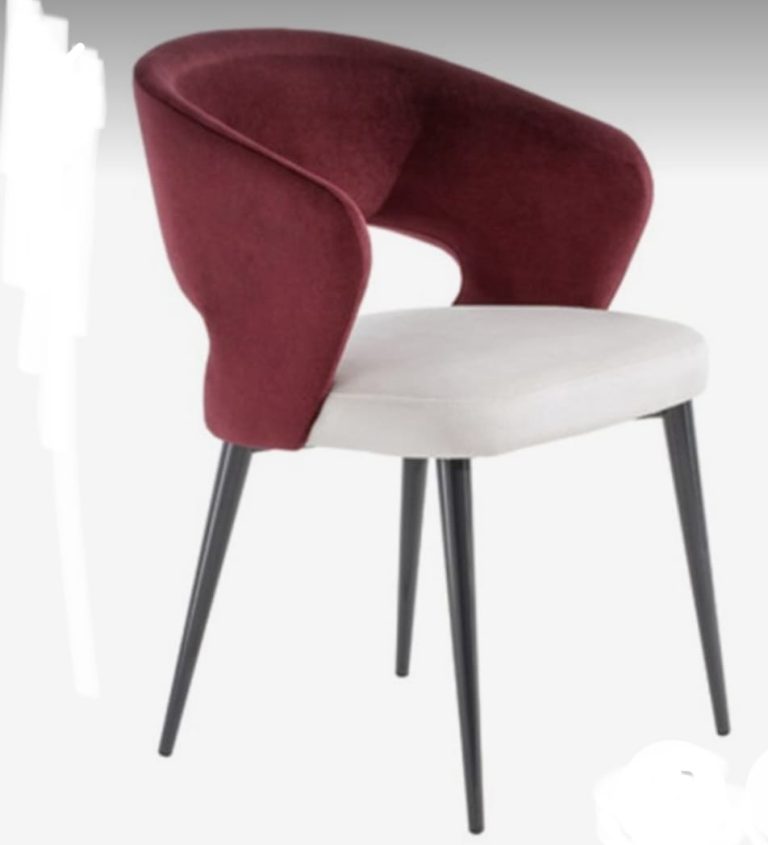
Burgundy Open-Back Dining Armchair with Ivory Seat
Open the product details and enquire about the exact configuration.
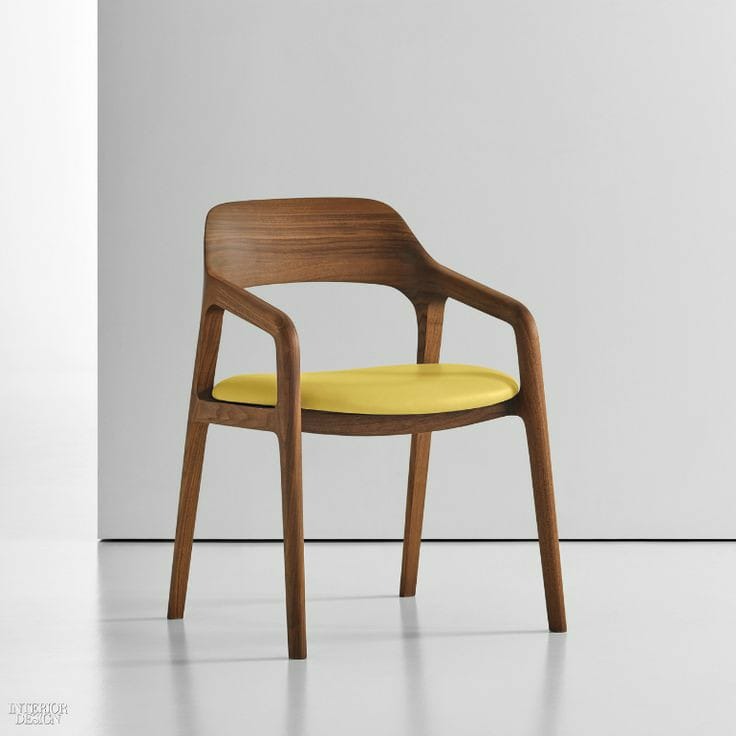
Wooden Curved-Back Dining Armchair with Yellow Seat
Open the product details and enquire about the exact configuration.
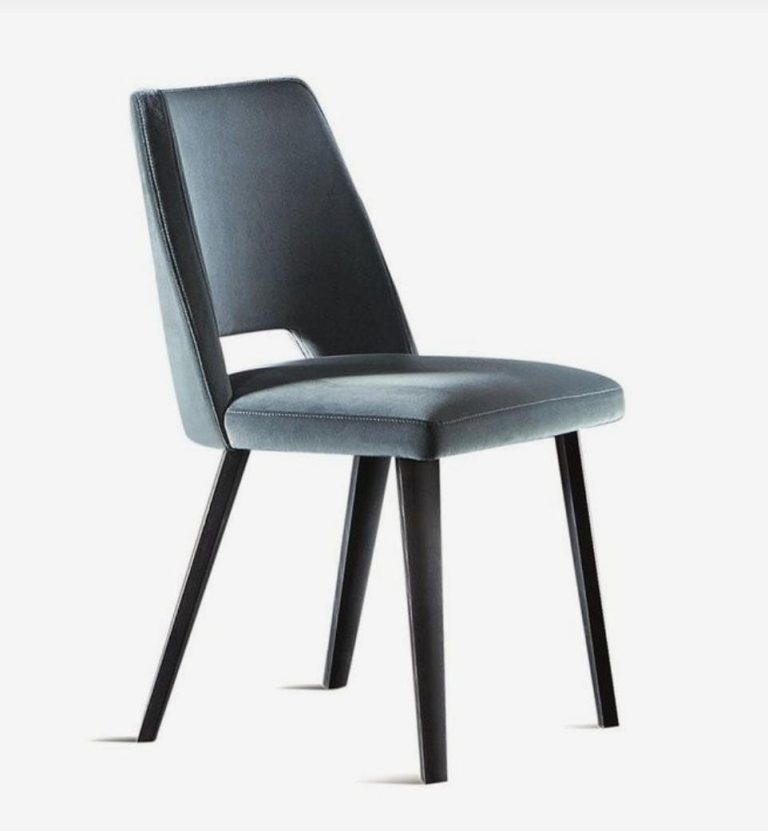
Black Slim Panel-Back Dining Chair
Open the product details and enquire about the exact configuration.
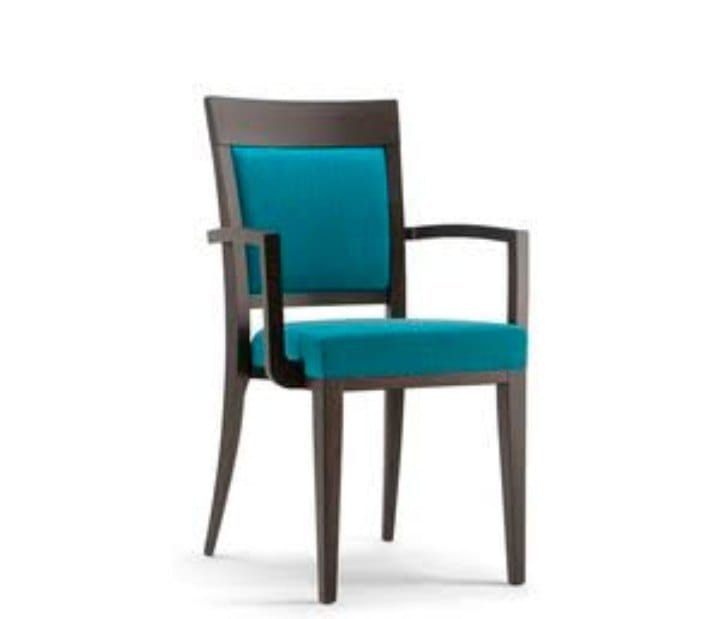
Dark Wooden Dining Armchair with Teal Upholstery
Open the product details and enquire about the exact configuration.
Browse related categories: Upholstered Dining Chairs · Wooden Dining Chairs · Dining Chairs.
This guide was prepared with writing assistance to explain buying decisions. Product references come from the Chairswala catalogue; they are not a hands-on test or a guarantee of suitability.