
Bar and counter labels are useful browsing terms, but they do not replace a measurement. Choose a stool using the actual worktop or tabletop and the confirmed seat-height range. A high-looking stool in a photograph may still be unsuitable for your surface.
Record the surface and its obstructions
Measure from the finished floor to the top of the surface and separately to the lowest obstruction beneath it. Include any apron, drawer or supporting bracket. Note overhang depth and where the base or cabinet limits legroom.
Keep this measurement separate from the stool’s overall height. A tall backrest can make a stool look high even when its seat is lower. Ask for seat height explicitly; for an adjustable model, request the usable minimum and maximum positions.
Compare fixed-base and pedestal designs
| Design | What to check |
|---|---|
| Fixed base | Exact seat height, footprint, glides and footrest position |
| Pedestal base | Base diameter, movement functions and confirmed height range |
| Armstool | Arm clearance beneath the surface and full width |
| Backless stool | Seat dimensions, intended use and storage position |
A pedestal appearance does not prove that a stool adjusts, swivels or uses a particular mechanism. Verify each function for the quoted model. Likewise, a fixed-base stool should be assessed using its actual dimensions rather than a generic category height.
Check the occupied layout and access
Mark the base footprints along the surface and consider where people enter and leave each seat. Check neighbouring stools, corners and nearby walkways. A stool that parks under the overhang may still need more space in use.
Consider the intended users and how they will reach the seat and use the footrest. Try a sample where possible. For public venues, have the responsible designer or operator check applicable access requirements rather than relying on a furniture photograph as a layout approval.
Request a quotation tied to the measurements
Send the surface measurements and shortlisted stool links to Chairswala. Ask for the exact seat dimensions, base footprint, load rating, finish composition and intended setting. Confirm floor protection and care instructions, particularly where stools will be moved frequently.
Specify the model configuration in the order, including any adjustment mechanism, upholstery and base finish. The linked examples cover relevant catalogue groups; their inclusion does not mean they share the same height or suit every bar and counter.
Catalogue examples to compare
These examples are selected by product category and name, not ranked from hands-on testing. Confirm the dimensions, functions, materials, price and availability of each model before ordering.
Bar and counter stool examples
Explore Grey Upholstered Counter Armstool with Slim Sled Base, Black Square-Stitched Bar Armstool with Chrome-Style Pedestal, Blush Bar Stool with Gold-Tone Cantilever Frame, Dark Green Channel-Back Counter Stool with Black Legs. Use the checks in this guide to compare their confirmed specifications.
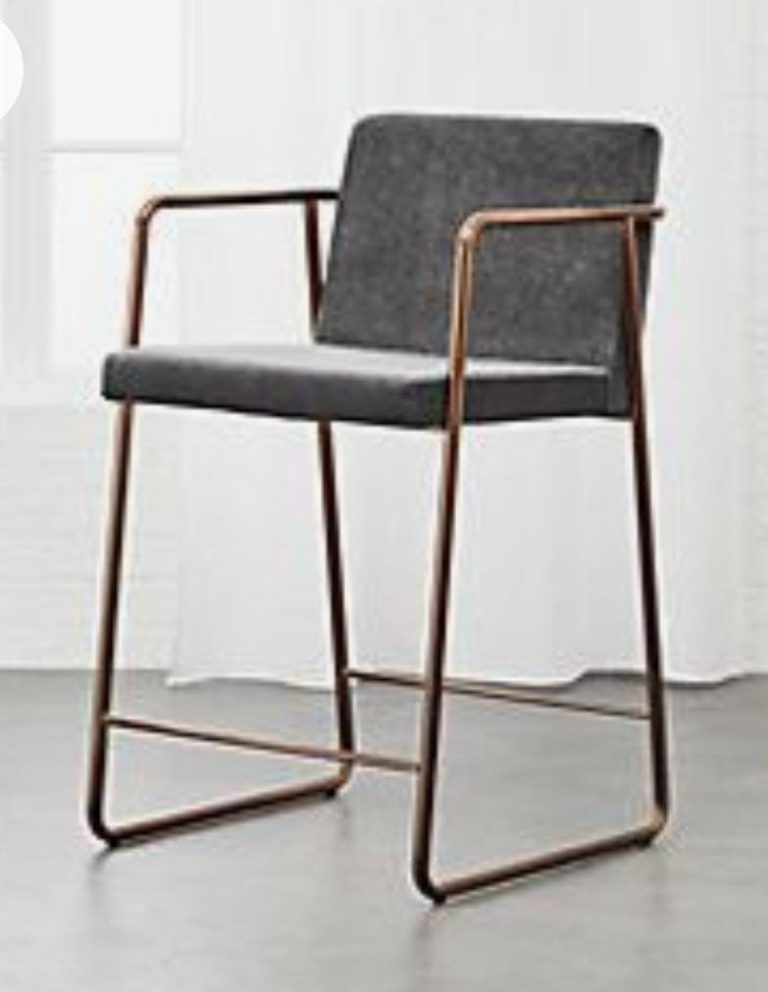
Grey Upholstered Counter Armstool with Slim Sled Base
Open the product details and enquire about the exact configuration.
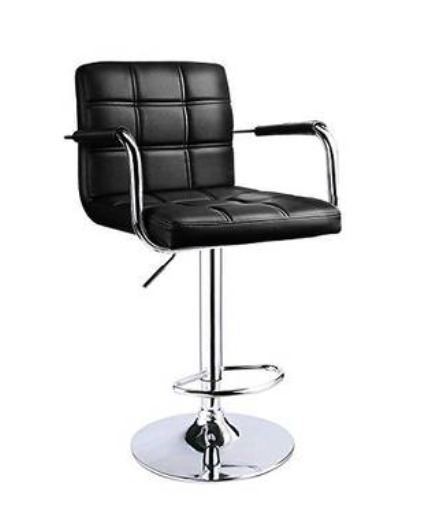
Black Square-Stitched Bar Armstool with Chrome-Style Pedestal
Open the product details and enquire about the exact configuration.
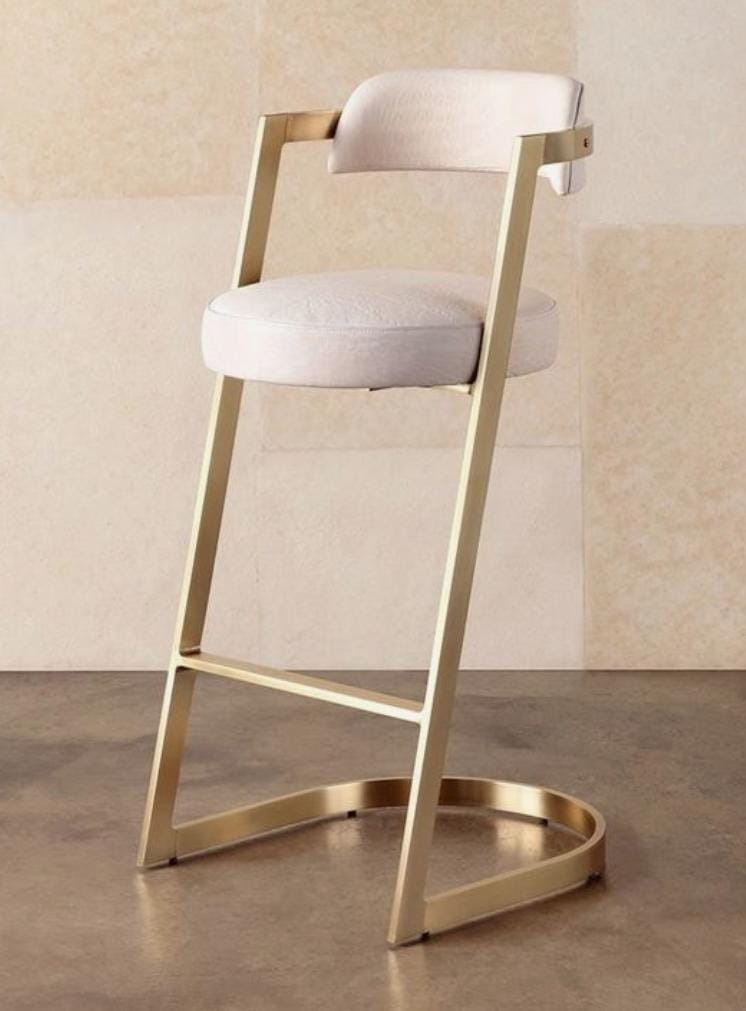
Blush Bar Stool with Gold-Tone Cantilever Frame
Open the product details and enquire about the exact configuration.
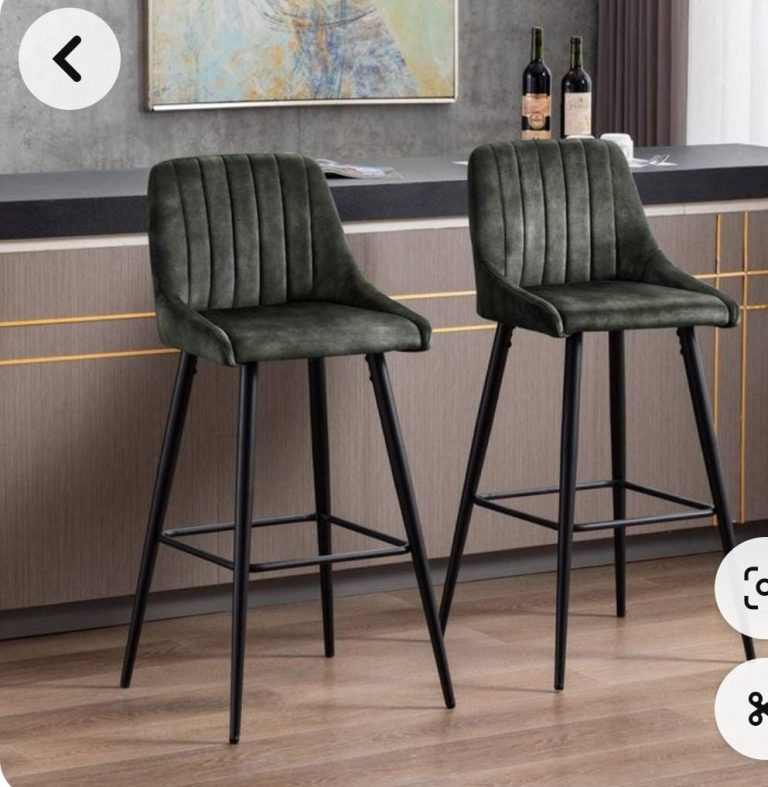
Dark Green Channel-Back Counter Stool with Black Legs
Open the product details and enquire about the exact configuration.
Browse related categories: Fixed-Base Bar & Counter Stools · Pedestal & Drafting Stools · Wooden & Wood-Style Counter Stools.
This guide was prepared with writing assistance to explain buying decisions. Product references come from the Chairswala catalogue; they are not a hands-on test or a guarantee of suitability.